Buying a Historic Home in North Slope Tacoma: What You Need to Know
If you're considering buying a historic home in North Slope Tacoma, there's a good chance the neighborhood's architecture caught your attention first. From distinctive Victorian and Queen Anne residences to Craftsman homes with original woodwork, established landscaping, and covered porches, North Slope offers architectural character that can be difficult to replicate in newer construction. However, purchasing an older home involves more than appreciating its appearance. You also need to understand property condition, renovation history, historic preservation requirements, maintenance costs, and how the home compares with other available properties.
I'm Stephen (Shu) Hsu, a Managing Broker and Realtor® serving Tacoma and communities throughout Western Washington. I grew up in nearby Stadium District and graduated from Stadium High School, so North Tacoma's historic neighborhoods have been part of my life long before I started working in real estate. I appreciate the architecture and character that make North Slope distinctive, but I also believe buyers deserve a realistic understanding of what ownership involves. This guide will help you evaluate historic homes in North Slope Tacoma, ask better questions during the buying process, and understand what to investigate before making a commitment.
What Should You Know Before Buying a Historic Home in North Slope Tacoma?
Before buying a historic home in North Slope Tacoma, you should evaluate the property's condition, understand any applicable historic preservation requirements, investigate previous renovations, and compare the home with relevant recent sales. Pay particular attention to major systems, drainage, foundations, roofing, sewer lines, parking, and the potential costs of maintaining older architectural features. If the property is within Tacoma's locally designated North Slope Historic Special Review District, certain exterior alterations and other projects may require additional review or approval.
The most important thing to understand is that historic character and property condition are separate considerations. A home may retain beautiful original features while also having outdated systems, or it may have undergone substantial improvements while preserving much of its architectural identity. Neither situation automatically makes it a better or worse purchase. Your objective is to understand what you're buying, what responsibilities come with it, and whether the property fits your budget and long-term plans.
Why Buyers Are Drawn to Historic Homes in North Slope Tacoma
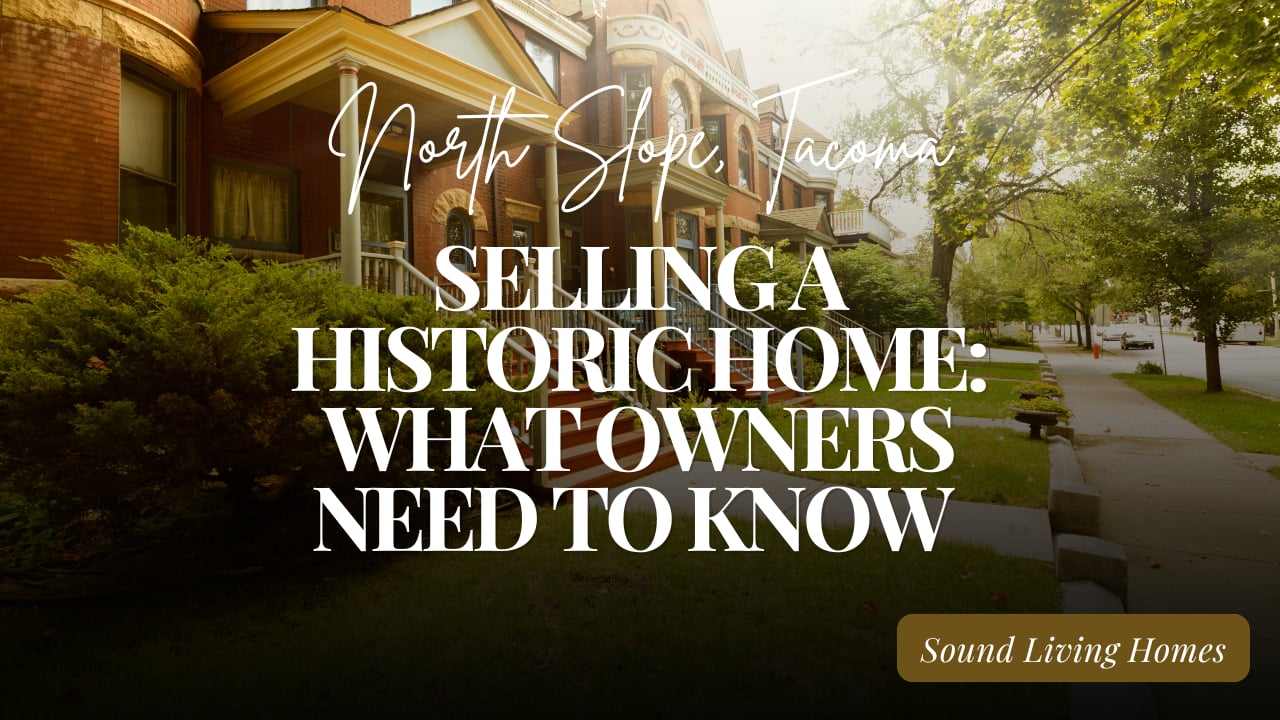
North Slope is one of Tacoma's most recognizable historic residential neighborhoods, with architecture that reflects different periods of the city's development. Homes in the area include Queen Anne, Victorian, Craftsman, Colonial Revival, and other styles, often with details that distinguish one property from another. Depending on the home, you may find original hardwood floors, decorative trim, built-in cabinetry, substantial staircases, tall ceilings, or covered porches. Established trees and landscaping also contribute to the neighborhood's appearance.
For some buyers, these features are a major reason to consider North Slope rather than a newer residential development. Historic homes can offer layouts, materials, and design details that are not commonly reproduced today. However, the features you admire may also require specialized maintenance or careful renovation planning. A thoughtful purchase balances appreciation for the home's character with an understanding of the work needed to preserve and maintain it.
Understanding North Slope Tacoma's Historic District Rules
One of the most important steps when buying in North Slope is determining whether the property is located within the official North Slope Historic Special Review District. This is a locally designated historic district established by the City of Tacoma, and certain exterior alterations, new construction, demolition, and other projects may be subject to historic preservation review. The exact requirements depend on the property's status, the proposed work, and current city regulations. A listing that uses the term North Slope does not automatically establish whether a home is inside the official district boundaries.
Local historic designation is different from simply being listed on the National Register of Historic Places. A National Register listing generally does not impose the same local design-review requirements on private property owners, while Tacoma's local historic preservation regulations can affect certain projects. If you're considering replacing windows, changing siding, building an addition, modifying a porch, or undertaking another significant exterior project, verify the applicable requirements before assuming the work can proceed. The City of Tacoma's historic preservation resources are the appropriate starting point for confirming district boundaries and project review procedures.
Can You Remodel a Historic Home in North Slope Tacoma?
Yes, historic homes can be renovated, but the process may involve additional considerations depending on the property and proposed work. Interior improvements, exterior alterations, structural changes, additions, and other projects can be subject to different rules. Work that requires building permits must comply with applicable codes, while certain exterior changes within the historic district may also require historic preservation review. The details matter, so it is important not to assume that every renovation is prohibited or that every project will be approved.
If you have significant renovation plans, investigate them before purchasing rather than relying on informal assumptions. Review the property's designation, available permits, and previous improvement records, and confirm applicable requirements with the City of Tacoma. You should also consider whether the proposed work is practical given the home's structure, layout, condition, and budget. A renovation that appears straightforward in a newer home may be more involved in an older property, particularly when original materials or unusual construction details are present.
What to Inspect When Buying an Older Home in North Slope
Inspections are especially important when evaluating older homes because many major systems may have been installed, replaced, or modified at different times. A house built decades ago may have a newer roof but older plumbing, updated electrical service but aging branch wiring, or renovated interiors with original components still in place. The home's appearance does not always reveal the condition of these systems. Understanding what has been updated and what may need attention can help you make a more informed decision.
Depending on the property, important areas to investigate may include roofing, electrical systems, plumbing, sewer lines, foundations, drainage, heating, insulation, windows, exterior siding, and evidence of previous water intrusion. Some concerns may be relatively minor, while others can affect repair costs or future maintenance. Review available records and understand the inspection provisions of your purchase agreement. The purpose of due diligence is to identify material questions early enough to evaluate them before completing the purchase.
Electrical and Plumbing Systems in Historic Tacoma Homes
Electrical and plumbing systems deserve particular attention because older homes may have undergone several generations of improvements. A property could contain a mixture of original, older, and more recently installed components, depending on the scope of previous work. An updated electrical panel, for example, does not necessarily mean every circuit or section of wiring has been replaced. Similarly, remodeled bathrooms and kitchens do not automatically establish the condition of supply or drain lines elsewhere in the house.
When evaluating these systems, focus on their documented condition and the information available through inspections and property records. Ask what improvements have been completed, whether permits were obtained when required, and whether there are known issues. Avoid assuming that an older system is automatically defective or that a renovated room guarantees everything behind the walls is modern. The objective is to understand the home's actual condition and potential future responsibilities.
Sewer Lines, Foundations, and Drainage Deserve Extra Attention
Sewer lines and drainage can be particularly relevant when buying older properties because underground components may be difficult to evaluate during a typical walkthrough. Depending on the property's history, sewer materials and conditions can vary, and older systems may have experienced repairs or replacements over time. Foundation conditions also differ based on age, construction methods, soil conditions, drainage, and previous improvements. These are property-specific considerations that should be evaluated using appropriate information rather than assumptions about the neighborhood.
Western Washington's wet seasons make water management another important part of the evaluation. Gutters, downspouts, grading, retaining walls, basement conditions, and exterior drainage can influence how water moves around a property. A home on a sloped lot may have different considerations from one on relatively level ground. If you're buying in North Slope, take time to understand the lot and surrounding terrain as well as the structure itself.
Historic Windows, Siding, and Architectural Details
Original architectural features can contribute significantly to a historic home's appeal, but they may also require a different approach to maintenance. Older wood windows, detailed exterior trim, decorative siding, porches, and other features may need ongoing care or restoration. Replacement materials and modern improvements may not always match the original construction, and some exterior changes within the historic district can involve design-review requirements. These factors are worth understanding if you expect to make significant updates after purchasing.
It is also important to distinguish between preserving an original feature and addressing a functional problem. A window may be visually attractive but require maintenance, while an exterior detail may have been repaired or replaced previously. If you're planning changes, investigate both the physical condition and any applicable preservation requirements. Understanding those factors before buying can help you avoid unexpected renovation complications.
Parking, Garages, and Lot Characteristics in North Slope
Parking arrangements vary throughout North Slope because many homes were built before modern expectations for attached garages and multiple vehicles. Some properties have detached garages, driveways, or other off-street parking, while others depend more heavily on street parking. Older garages may have limited dimensions or access arrangements that differ from newer construction. If parking is important to you, confirm the actual spaces included with the property and whether they meet your needs.
Lot characteristics can also influence ownership responsibilities. Some homes have established landscaping, mature trees, retaining walls, stairs, or sloped yards that require additional consideration. A property may include accessory structures or improvements completed at different times, so reviewing available information can be helpful. When touring a home, walk the entire lot and consider how the outdoor space would function throughout the year.
How to Evaluate Renovations and Previous Improvements
A renovated historic home can offer an appealing combination of older architecture and modern conveniences, but buyers should investigate what work was completed. Cosmetic updates, structural improvements, system replacements, and additions are different types of projects with different implications. A newly finished kitchen may improve the home's appearance without telling you much about the roof, sewer line, or foundation. Understanding the scope of previous work helps you evaluate both the property's current condition and the value of the improvements.
Ask about available permits, renovation records, warranties, maintenance information, and known issues. If the property is within the North Slope Historic Special Review District, it may also be useful to understand whether applicable historic preservation approvals were obtained for previous exterior projects. Not every older improvement will have complete documentation, so the absence of records should be evaluated in context rather than treated as proof of a problem. The goal is to distinguish verified information from assumptions.
How Much Do Historic Homes in North Slope Tacoma Cost?
The price of a historic home in North Slope depends on current market conditions and the property's individual characteristics. Size, location, architectural style, condition, renovation history, parking, lot features, layout, and overall presentation can all influence how buyers evaluate a home. Because the neighborhood includes a variety of older properties, broad averages may not provide a reliable estimate for a specific listing. A substantially renovated home and a property needing major improvements may compete very differently.
When evaluating North Slope Tacoma homes for sale, I recommend comparing relevant recent sales and current listings with careful attention to the differences between properties. A nearby sale may be useful context, but it is not automatically the best comparable simply because it is close. The objective is to understand how the asking price relates to the home's features, condition, and available alternatives. Current market evidence is more useful than relying on outdated statistics or generalized assumptions about historic neighborhoods.
Should You Buy a Move-In-Ready Home or a Fixer-Upper?
One of the most important decisions when buying a historic home is determining how much work you're willing to take on. A property with substantial updates may offer a more predictable starting point, although every home still requires maintenance. A home needing improvements may provide opportunities to customize certain features, but the purchase price alone does not establish whether the overall project makes financial sense. Renovation costs, timelines, permit requirements, and potential complications should all be considered.
If you're considering a property that needs significant work, develop a realistic understanding of the scope before making major commitments. Some projects may be straightforward, while others can become more involved because of older construction methods, structural conditions, or preservation requirements. Your budget should account for the purchase and anticipated improvements rather than treating renovation expenses as an afterthought. The right choice depends on your priorities, resources, timeline, and willingness to manage the work.
How North Slope Compares With Stadium District and Other Tacoma Neighborhoods
North Slope and Stadium District share a connection to Tacoma's historic development, but their housing and neighborhood characteristics are not identical. Stadium has a recognizable commercial district, historic landmarks, condos, and varied residential properties. North Slope is particularly associated with historic detached homes and a locally designated preservation district. Depending on the property, you may find different combinations of architecture, parking, lot characteristics, and access to nearby amenities.
Proctor, Old Town, and other parts of North Tacoma also deserve consideration if you're exploring historic homes. Each area has its own mix of housing types, commercial destinations, terrain, and property characteristics. Having grown up in nearby Stadium District, I understand why buyers often consider these neighborhoods together. I recommend comparing individual properties and practical ownership considerations rather than assuming that one neighborhood is universally the better choice.
Frequently Asked Questions About Buying a Historic Home in North Slope Tacoma
Are all homes in North Slope Tacoma historic?
No. North Slope is known for its concentration of older and architecturally significant homes, but properties vary in age, construction, renovation history, and designation. The official North Slope Historic Special Review District has defined boundaries, and a property described as being in North Slope is not necessarily within those boundaries. Individual properties may also have different historic statuses. Verify the specific address before making assumptions about applicable requirements.
Can I replace windows on a historic home in North Slope?
Window replacement may be possible, but the applicable requirements depend on the property's designation and the proposed work. Certain exterior changes within Tacoma's locally designated historic district may require review or approval. Repairing existing windows and replacing them with different materials or designs can raise different considerations. Before purchasing with a window replacement project in mind, confirm the current requirements with the City of Tacoma.
Are historic homes in North Slope expensive to maintain?
Maintenance costs vary considerably based on the home's condition, systems, materials, previous improvements, and the owner's plans. Some older homes have been extensively updated, while others may require substantial work. Historic architectural details can also involve maintenance approaches that differ from newer construction. A property-specific evaluation is more useful than assuming every historic home will have the same expenses.
What inspections should I consider for an older Tacoma home?
The appropriate inspections depend on the property and the concerns identified during your review. Areas commonly worth investigating include roofing, electrical systems, plumbing, sewer lines, foundations, drainage, heating, and previous renovations. A general home inspection may identify issues that warrant additional investigation. Understand the inspection provisions of your purchase agreement and use the available information to evaluate the property's condition.
Is buying a historic home in North Slope a good investment?
Whether a particular purchase makes financial sense depends on the price, condition, maintenance responsibilities, financing, future plans, and market conditions. Historic character may be appealing to buyers, but it does not guarantee appreciation or resale performance. Renovation costs and ongoing maintenance can also influence the total financial picture. Evaluate the property based on your goals and realistic ownership expectations rather than assuming its historic status guarantees a return.
Is North Slope Tacoma a good neighborhood for buyers who want walkability?
North Slope provides access to nearby business districts, parks, and other destinations, but walkability varies by address. The neighborhood's hills and the routes between residential streets and commercial areas can influence the experience. If walking is a priority, test the specific routes you expect to use. A property's exact location may matter more than a general neighborhood description.
Is Buying a Historic Home in North Slope Tacoma Right for You?
Buying a historic home in North Slope Tacoma can be an opportunity to own a property with distinctive architecture and a connection to the city's development. However, the decision should involve more than appreciating the neighborhood's appearance. Property condition, preservation requirements, renovation possibilities, maintenance costs, parking, and the home's layout all deserve careful consideration. The right purchase is one that combines the features you value with responsibilities you understand and can reasonably manage.
I recommend exploring several North Slope properties before deciding what type of historic home interests you most. Compare original features with modern updates, consider the differences between move-in-ready homes and renovation opportunities, and review how each property fits your budget and plans. Spend time in the surrounding neighborhood and evaluate the practical details of the location. A thoughtful process can help you move beyond the excitement of historic architecture and make a decision grounded in the property's actual characteristics.
Continue Exploring North Slope Tacoma
If you're considering buying in North Slope, my [Living in North Slope Tacoma: A Complete Neighborhood Guide] provides a broader look at the area's history, housing, location, amenities, and everyday considerations. This buyer guide builds on that foundation by focusing more closely on inspections, renovations, historic preservation requirements, and property evaluation. Reading both can help you understand not only why North Slope attracts interest, but also what owning a home here may involve.
As this series continues, I'll also cover the pros and cons of living in North Slope, nearby restaurants and attractions, and what homeowners should know before selling. Together, these articles are intended to provide a practical resource for buyers and sellers researching North Slope Tacoma real estate. If you're comparing North Slope with Stadium District, Proctor, Old Town, or another Western Washington community, those additional guides can help you evaluate your options.
Explore Historic Homes for Sale in North Slope Tacoma
If you're ready to explore North Slope Tacoma homes for sale, reviewing current listings can help you understand the range of architectural styles, layouts, conditions, and price points available. Pay attention to renovation histories, parking arrangements, lot characteristics, and the location of each property within or outside the historic district. A home with beautiful original details may require different maintenance considerations from one that has been extensively renovated. Comparing those differences can help you identify properties worth touring.
DISCOVER YOUR DREAM HOME IN NORTH TACOMA
If a property catches your attention, I can help you review comparable sales, understand the surrounding location, and identify important questions about condition, renovations, and historic designation. You don't need to have every detail figured out before beginning your search. Sometimes exploring a few properties is the best way to understand what you want and what ownership may involve.
Selling Your Current Home Before Moving to North Slope?
If purchasing a historic home in North Slope is part of a larger move, understanding your current home's potential sale value and estimated net proceeds can help you establish a realistic budget. Selling expenses, mortgage payoff, preparation costs, and transaction timing may all influence your next purchase. Coordinating these decisions early can help you evaluate whether selling first, buying first, or another arrangement makes sense for your circumstances. The goal is to understand your options before you make commitments that affect both transactions.
My Ultimate Guide to Selling a Home in Western Washington explains the selling process, including preparation, pricing, marketing, offer evaluation, estimated costs, and planning your next move. It is designed to help homeowners throughout Tacoma and Western Washington make informed decisions. Even if you're months away from moving, understanding the selling side can help you approach the buying side with more confidence. A clear picture of your current property's potential net proceeds is often an important part of the overall plan.
Thinking About Buying in North Slope Tacoma? Let's Grab Coffee
If you're considering buying a historic home in North Slope Tacoma, I'd be happy to help you explore the neighborhood and evaluate available properties. We can discuss historic preservation rules, renovation considerations, maintenance, parking, comparable sales, and how North Slope compares with Stadium District or other Tacoma neighborhoods. You don't need to be ready to make an offer or have a specific property selected. Sometimes the best first step is simply talking through what you want and which questions deserve attention.
I'm Stephen (Shu) Hsu, a Managing Broker and Realtor® and Stadium High School Alum. I serve Tacoma, Fircrest, University Place, Lakewood, Gig Harbor, Puyallup, Spanaway, Renton, Kent, Steilacoom, Silverdale, and other communities throughout Pierce, King, Kitsap, and Thurston Counties. If you're interested in historic homes, comparing neighborhoods, or planning your next move, let's grab a cup of coffee and talk through your questions. I'm happy to help you understand your options and make decisions that fit your goals.
If you'd rather begin by exploring properties, you can start here:

Stephen (Shu) Hsu
Managing Broker, Realtor®
253-948-8900
[email protected]
SoundLivingHomes.com