Selling a Home in Proctor District Tacoma: What Owners Need to Know
What should you know before selling a home in Proctor District Tacoma?
Selling a home in Proctor District Tacoma starts with understanding how your property's location, condition, architectural features, parking, and proximity to the neighborhood's commercial district influence its market position. A successful selling strategy combines accurate pricing, thoughtful preparation, professional marketing, and careful evaluation of offers based on current market conditions and your goals.
If you own a home in Proctor District Tacoma, you already know that this neighborhood has a distinctive identity. Centered around North Proctor Street and North 26th Street, the district brings together restaurants, coffee shops, grocery stores, independent businesses, the Proctor Farmers' Market, and the historic Blue Mouse Theatre. Surrounding the commercial center are established residential streets with Craftsman homes, Tudor-inspired properties, traditional houses, and other housing styles from different periods of Tacoma's development.
These characteristics can be valuable when presenting your home to prospective buyers, but they don't automatically determine its selling price. A renovated Craftsman close to the business district may attract different interest than a home requiring substantial improvements or a condo with association dues. Even properties located just a few blocks apart can have meaningful differences in layout, condition, parking, and market appeal.
I'm Stephen (Shu) Hsu, a Managing Broker and Realtor® serving Tacoma and communities throughout Western Washington. I grew up in Tacoma's Stadium District and graduated from Stadium High School, so North Tacoma has been familiar to me for most of my life. I appreciate Proctor's distinctive neighborhood character, but I also believe selling a home requires a clear, property-specific strategy rather than relying on the neighborhood's reputation alone.
In this guide, I'll walk you through what Proctor homeowners should consider before listing, from pricing and preparation to marketing, negotiations, closing costs, and planning your next move.
Why Selling a Home in Proctor District Tacoma Requires a Property-Specific Strategy
Proctor District Tacoma includes a variety of housing types, construction periods, and locations. Some homes sit close to the commercial center, while others are located farther into the surrounding residential streets. Certain properties retain original architectural details, while others have undergone substantial renovations. Parking arrangements, lot characteristics, and major systems can also vary considerably.
These differences matter because buyers don't evaluate every Proctor property in the same way. One buyer may prioritize an updated kitchen and modernized systems, while another may appreciate original hardwood floors, built-ins, or a covered porch. Some buyers may want to walk to the Proctor Farmers' Market or nearby restaurants, while others may place greater importance on a garage, yard, or particular floor plan.
A thoughtful selling strategy identifies what makes your home distinctive and presents those features accurately. It also recognizes potential concerns that buyers may raise during showings or inspections. Rather than assuming that every home in Proctor should be marketed the same way, the goal is to develop a plan around your specific property and current market competition.
How Much Is Your Proctor District Tacoma Home Worth?
One of the first questions homeowners ask is how much their property could sell for. The answer depends on current market conditions and the characteristics of the home itself. Square footage, condition, renovation history, lot features, parking, architectural style, and location can all influence how buyers compare your property with available alternatives.
A useful pricing analysis begins with relevant recent sales and current listings. However, not every nearby property is an appropriate comparable. A fully renovated home may compete differently from one that needs major improvements. A property with off-street parking may offer a different feature set from one that relies on street parking. Even differences in layout or usable space can influence how buyers evaluate the asking price.
Automated home value estimates can provide a starting point, but they may not capture the full range of differences among Proctor's older homes. A property-specific comparative market analysis can help establish a more realistic pricing range. It should consider both recent transactions and the properties buyers will see when your home enters the market.
If you're thinking about selling, I recommend reviewing the numbers before committing to major improvements or establishing a listing date. Understanding your home's likely market position can help you make better decisions about preparation, pricing, and timing.
How to Price a Home in Proctor District Tacoma
Pricing a Proctor home involves balancing market evidence with your selling objectives. An asking price that is not supported by comparable properties may limit buyer interest, while a price that doesn't account for your home's condition and features may fail to reflect its market position. The right strategy depends on current inventory, buyer activity, recent sales, and the property's competitive advantages.
It's also important to distinguish between your investment in a property and its current market value. Renovations, maintenance, and improvements can contribute to a home's condition and appeal, but they don't necessarily produce a dollar-for-dollar increase in sale price. Buyers compare available homes based on the features, condition, and costs they can observe or reasonably evaluate.
Before listing, I recommend reviewing a range of pricing scenarios and discussing how each could influence the marketing plan. The objective is to establish a price supported by current evidence while considering your desired timeline and financial goals. Pricing should be revisited if market conditions or buyer feedback provide new information.
Preparing an Older Home for Sale in Proctor District Tacoma
Many detached homes around Proctor were built decades ago, so preparation often involves balancing architectural character with maintenance and condition. Buyers may appreciate original hardwood floors, built-in cabinetry, decorative trim, fireplaces, or covered porches. At the same time, they may have questions about roofing, plumbing, electrical systems, sewer lines, foundations, drainage, and heating equipment.
Before listing, take time to evaluate your home's overall condition. Addressing visible maintenance concerns can help buyers focus on the property's features rather than wondering about unresolved issues. This doesn't mean every older home needs a major renovation. In many cases, cleaning, minor repairs, landscaping, and thoughtful presentation can improve how a property shows without requiring extensive construction.
The appropriate preparation depends on your budget, timeline, and the property's condition. If you're considering larger projects, evaluate their potential costs and how they relate to the home's likely market position. A renovation that makes sense for long-term ownership may not be the most effective investment immediately before selling.
Which Improvements Matter Most When Selling a Proctor District Home?
When preparing to sell, it's easy to create a long list of potential improvements. Painting, flooring, lighting, landscaping, kitchen updates, bathroom improvements, and exterior repairs may all come to mind. However, not every project offers the same benefit, and the right priorities depend on the condition of your home and the expectations of buyers considering similar properties.
I generally recommend starting with items that affect cleanliness, maintenance, and presentation. Freshening worn surfaces, addressing obvious repairs, improving lighting, and maintaining the yard can help buyers understand the property more clearly. If your home has original architectural features in good condition, preserving and presenting them thoughtfully may be more appropriate than replacing them simply to create a newer appearance.
For larger improvements, compare the estimated cost with the likely market benefit and your available time. Some projects may be worthwhile, while others could introduce unnecessary expense or delay. A property-specific preparation plan can help you focus on the work that supports your selling goals.
Highlighting Proctor District Tacoma's Architectural Character
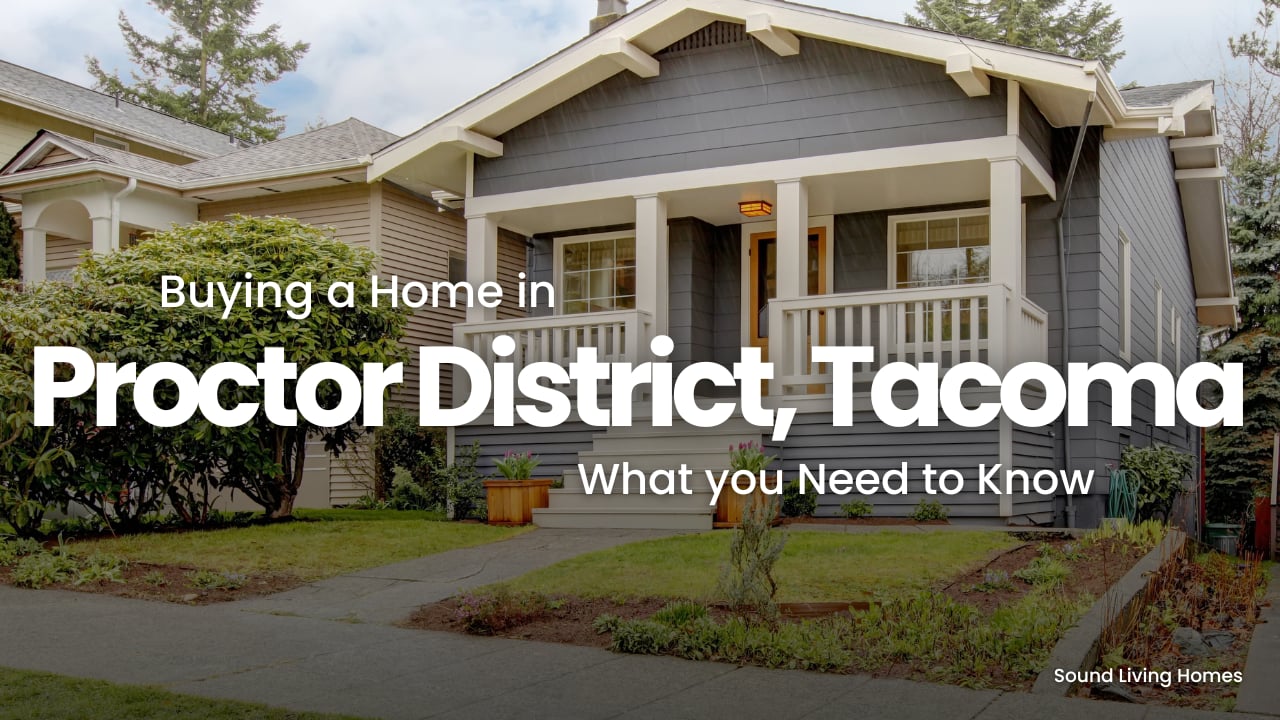
Proctor's surrounding residential streets include a variety of older architectural styles. Craftsman homes, Tudor-inspired properties, and traditional houses may feature details that distinguish them from newer construction. Original woodwork, built-ins, hardwood floors, covered porches, and exterior design elements can all contribute to a property's presentation.
If your home has distinctive architectural features, they should be documented accurately and incorporated into the marketing. Professional photography can help show how these details relate to the overall layout and condition of the home. Listing descriptions can explain the property's features without exaggerating their significance or making unsupported claims.
It's also important to provide a balanced picture. A home with historic architectural details may have modern updates, older systems, or a combination of both. Buyers benefit from clear information about what has been improved and what remains original. Accurate presentation builds credibility and helps prospective buyers evaluate the property with realistic expectations.
Marketing a Home Near Proctor District Tacoma's Business District
One of Proctor's defining features is its compact commercial center near North Proctor Street and North 26th Street. Restaurants, coffee shops, grocery stores, independent retailers, the Proctor Farmers' Market, and the Blue Mouse Theatre are recognizable destinations in the area. For some buyers, access to these businesses may be an important part of evaluating a home's location.
If your property is close to the commercial district, marketing can explain its proximity to specific destinations using accurate distances or routes. For example, a listing may highlight nearby grocery shopping, restaurants, or entertainment when those amenities are relevant to the property's location. However, descriptions should not imply that every Proctor home has the same walking access.
A property farther into the residential neighborhood may have different features worth emphasizing, such as its lot, layout, parking, landscaping, or outdoor space. The marketing should reflect the home's actual location and characteristics rather than relying on a generic description of Proctor.
How Parking Affects Selling a Home in Proctor District Tacoma
Parking can be an important consideration for buyers exploring Proctor. The commercial district attracts visitors for dining, shopping, entertainment, and the farmers' market, so parking patterns can vary by street and time of day. Some residential properties have detached garages, driveways, or other off-street spaces, while others rely more heavily on street parking.
If your home includes a garage or driveway, document those features accurately. Garage dimensions, access arrangements, and the number of usable parking spaces may be relevant to buyers. An older detached garage should not automatically be described as accommodating a particular vehicle type without confirming its dimensions and accessibility.
If your property relies on street parking, it's better to provide accurate information than to make broad promises about availability. Buyers can evaluate the surrounding streets and determine whether the arrangements meet their needs. Clear presentation of parking features helps set realistic expectations and reduces confusion during the transaction.
Should You Get a Pre-Listing Inspection for Your Proctor Home?
A pre-listing inspection is one option homeowners may consider before selling, particularly when a property has older systems or a complicated renovation history. It can provide information about conditions that may deserve attention before the home enters the market. However, the decision should account for the property's circumstances, your timeline, and the potential implications of information discovered during the process.
An inspection does not guarantee that a buyer's inspection will identify the same issues or that additional concerns won't arise later. It also doesn't replace your disclosure responsibilities. If significant issues are identified, you'll need to consider how to address them and what information must be provided during the transaction.
Before ordering a pre-listing inspection, discuss how the results would fit into your selling strategy. In some circumstances, having additional information early may help with planning. In others, reviewing existing maintenance records and preparing for the buyer's inspection process may be more appropriate. The goal is to make an informed decision rather than treating a pre-listing inspection as a universal requirement.
Understanding Seller Disclosures for Proctor District Tacoma Homes
Washington home sales can involve seller disclosure requirements, and the applicable obligations depend on the property and transaction. For many residential sales, sellers provide a disclosure statement addressing known conditions and other required information. Certain transactions may have exemptions or different requirements, so it's important to understand what applies to your situation.
If you've owned your Proctor home for many years, you may have records relating to repairs, renovations, permits, drainage concerns, sewer work, or other improvements. Organizing these documents can make it easier to answer questions accurately. If you're unsure about a disclosure issue, seek appropriate guidance before completing the required forms.
A seller disclosure statement is not a substitute for a buyer's independent investigation. However, accurate and complete information helps buyers evaluate the property and can reduce misunderstandings during the transaction. Your objective should be to present the home's known condition honestly and consistently with applicable requirements.
Selling a Condo in Proctor District Tacoma
If you're selling a condo near Proctor's commercial center, your preparation and marketing may differ from those for a detached home. Buyers will evaluate the unit's layout, condition, parking, storage, and location, but they may also review association dues, governing documents, financial information, maintenance responsibilities, and potential assessments.
Before listing, identify the association documents and information that may be required for the transaction. Depending on the condominium and applicable Washington law, resale disclosures and other association materials may be necessary. Obtaining accurate information early can help you anticipate questions and plan the transaction timeline.
It's also important to understand how association dues affect the property's overall cost to a buyer. A condo's listing price should be evaluated alongside current competition and the ownership obligations associated with the building. Marketing should clearly distinguish features of the individual unit from shared amenities or association responsibilities.
Professional Photography and Listing Presentation for Proctor Homes
Professional photography is an important part of presenting a property to buyers who begin their search online. Images should accurately show the home's layout, condition, architectural details, and exterior features. In Proctor, this may include original woodwork, covered porches, established landscaping, updated interiors, or other property-specific characteristics.
Preparation before photography matters. Clean rooms, organized surfaces, appropriate lighting, and maintained outdoor areas can help buyers understand the space. Depending on the property, a floor plan or additional visual materials may also be useful. The goal is not to make the home appear different from reality, but to present its actual features clearly.
Listing descriptions should be equally thoughtful. Instead of relying on vague phrases, explain the home's layout, updates, parking, and relevant location details. Accurate information helps prospective buyers decide whether the property fits their needs before scheduling a showing.
How to Handle Showings and Open Houses in Proctor District Tacoma
Once your home is listed, the showing process becomes an important part of the marketing strategy. Buyers need opportunities to evaluate the interior, exterior, layout, and overall condition. Preparing the home consistently for showings can help visitors focus on its features rather than temporary clutter or unfinished tasks.
If you're still living in the property, showing arrangements should account for your schedule and practical needs. The goal is to provide reasonable access while maintaining a process you can manage. Open houses may be appropriate for some listings, but their usefulness depends on the property, current market conditions, and broader marketing plan.
For homes near Proctor's commercial district, buyers may also explore the surrounding streets before or after a showing. Accurate information about nearby amenities and parking can help them understand the location. However, the home itself should remain the central focus of the presentation.
Evaluating Offers on a Proctor District Tacoma Home
Receiving an offer is an important milestone, but the highest proposed price is not always the only factor worth evaluating. Financing terms, contingencies, earnest money, closing timelines, and other contractual provisions can affect how a transaction proceeds. Different offers may create different levels of uncertainty or require different decisions from the seller.
When reviewing offers, I recommend looking at the complete terms and considering how they align with your goals. A particular closing date may be valuable if you're coordinating another move. Inspection or financing contingencies may affect the transaction timeline and the opportunities for further negotiation.
The right decision depends on your circumstances and the information available. Rather than focusing exclusively on one number, compare the overall terms and understand the obligations associated with each offer. A careful review can help you select an approach that supports your financial and timing priorities.
What Happens After You Accept an Offer on Your Proctor Home?
After accepting an offer, the transaction typically moves through the steps established by the purchase agreement. Depending on the terms, these may include earnest money delivery, inspections, financing, appraisal, title review, and other contractual requirements. Each transaction is different, and deadlines should be tracked carefully.
Buyers may request additional information or negotiate issues identified during their investigations, depending on the agreement. If concerns arise, the available options depend on the contract and circumstances. Maintaining clear communication and responding to deadlines can help keep the process organized.
As closing approaches, you'll also need to plan for moving, transferring possession, and completing any agreed-upon obligations. Coordinating these details early can reduce last-minute complications. Selling your home involves more than accepting an offer, and understanding the steps through closing is an important part of the overall strategy.
What Does It Cost to Sell a Home in Proctor District Tacoma?
Selling expenses vary by property and transaction. Potential costs may include real estate compensation negotiated in your agreement, title and escrow charges, applicable excise taxes, preparation expenses, repairs, concessions, and other closing-related items. Your existing mortgage balance and any other liens or obligations will also affect your final proceeds.
Because these amounts vary, it's useful to prepare an estimated seller net sheet before listing. This can help you understand how different sale prices and expenses may influence the amount you receive at closing. The estimate should be updated as actual contract terms and costs become known.
If you're selling in order to purchase another property, estimated net proceeds can be especially important. They may influence your next down payment, moving budget, and timing decisions. A clear financial picture can help you make informed choices before your home goes on the market.
When Is the Best Time to Sell a Home in Proctor District Tacoma?
The best time to sell depends on your goals, your property's readiness, and current market conditions. Seasonal patterns can influence real estate activity, but they do not guarantee a particular outcome. Inventory, buyer demand, financing conditions, and competing listings can all affect the environment in which your home is marketed.
If you're considering selling, I recommend evaluating the current market rather than relying on a fixed rule about the best month to list. A well-prepared property may benefit from entering the market when competition is limited, while another seller may prefer additional preparation time. The right timing should account for both market conditions and your personal circumstances.
It's also important to consider what happens after the sale. If you're purchasing another home, relocating, or coordinating a major change, your next steps may be just as important as the listing date. A selling plan should support the entire transition rather than focusing only on when the property becomes available.
Frequently Asked Questions About Selling a Home in Proctor District Tacoma
How much is my home worth in Proctor District Tacoma?
Your home's value depends on current market conditions, its size, condition, location, renovation history, parking, and other property-specific features. Recent comparable sales and current listings provide useful evidence, but adjustments may be necessary when properties differ significantly. A property-specific comparative market analysis can help establish a realistic pricing range. Automated estimates alone may not fully capture the characteristics of older Proctor homes.
Is Proctor District Tacoma a desirable location for homebuyers?
Proctor offers a recognizable commercial district with restaurants, coffee shops, grocery stores, independent businesses, and local attractions. Some buyers may value access to these destinations, while others prioritize property features such as layout, parking, condition, or outdoor space. Buyer preferences vary, and neighborhood amenities do not guarantee a particular sale price or level of demand. Accurate marketing should explain your home's location and features without making broad promises.
Should I renovate my Proctor District Tacoma home before selling?
Not necessarily. The right improvements depend on your home's condition, current market competition, budget, and timeline. Cleaning, maintenance, minor repairs, and thoughtful presentation may be more appropriate than major renovations. Before starting expensive projects, compare their estimated costs with the likely market benefit. A property-specific preparation plan can help you prioritize.
Do older homes in Proctor District Tacoma need inspections before selling?
A pre-listing inspection may be useful in some situations, particularly when a home has older systems or a complicated maintenance history. However, it is not automatically the right choice for every property. Sellers should consider how inspection findings may affect preparation and disclosure responsibilities. The decision should be based on the property's circumstances and selling strategy.
Does living near Proctor's business district increase my home's value?
Proximity to restaurants, coffee shops, grocery stores, and other businesses may be relevant to some buyers, but it does not establish a specific increase in value. A home's condition, size, layout, parking, and current market competition also matter. Properties closer to commercial activity may have different advantages and tradeoffs from homes farther into residential streets. Comparable sales provide a better basis for evaluating location-related pricing differences.
Is parking important when selling a home in Proctor District Tacoma?
Parking can be an important feature for buyers, particularly near the commercial center. If your home has a driveway, garage, or other off-street parking, those features should be described accurately. If parking is primarily on the street, buyers may want to evaluate local conditions themselves. Clear information helps prospective buyers determine whether the property fits their needs.
What should I disclose when selling an older home in Proctor District Tacoma?
Applicable Washington disclosure requirements depend on the property and transaction. For many residential sales, sellers provide information about known property conditions through a required disclosure statement. Records of repairs, renovations, permits, drainage issues, or other known concerns may help you prepare accurate information. If you're uncertain about a particular obligation, obtain appropriate guidance before completing disclosures.
How long does it take to sell a home in Proctor District Tacoma?
The timeline depends on pricing, condition, current inventory, buyer activity, financing, and contract terms. The time needed to prepare and market a property is separate from the period between accepting an offer and closing. Because market conditions change, historical averages may not reflect what will happen with your particular home. Reviewing current local activity can help establish more realistic expectations.
What costs should I expect when selling my Proctor District Tacoma home?
Potential costs include negotiated real estate compensation, title and escrow charges, applicable excise taxes, repairs, preparation expenses, concessions, and other transaction-specific items. Your mortgage payoff and any additional liens or obligations also affect your net proceeds. An estimated seller net sheet can help you understand how these amounts may influence your financial outcome. Actual costs should be confirmed as the transaction progresses.
Should I sell my Proctor District Tacoma home before buying another property?
The best approach depends on your finances, available equity, purchase plans, and tolerance for overlapping transactions. Selling first may provide more certainty about net proceeds, while buying first can involve different timing and financial considerations. Each option has tradeoffs, and the appropriate plan depends on your circumstances. Reviewing estimated proceeds and possible timelines can help you evaluate your choices.
Final Thoughts on Selling a Home in Proctor District Tacoma
Selling a home in Proctor District Tacoma requires more than highlighting the neighborhood's restaurants, shops, and established residential streets. Your property's condition, architectural details, renovations, parking, layout, and exact location all influence how it competes with other available homes. A thoughtful strategy uses current market evidence to guide pricing, preparation, marketing, and negotiations.
Whether you own a Craftsman home with original details, an updated detached property, or a condo near the commercial district, the goal is to present the home accurately and make informed decisions throughout the process. Understanding your estimated proceeds, timeline, and next steps can also help you plan beyond the sale itself.
If you're considering selling, I recommend starting with a property-specific market review before making major improvements or committing to a listing date. That gives you an opportunity to understand your options and develop a plan that supports your goals.
Get Your Proctor District Tacoma Home Ready to Sell
If you're thinking about selling your home in Proctor District Tacoma, I can help you review current comparable sales, evaluate your property's features, and identify preparation priorities. We can discuss pricing, marketing, potential expenses, and the timing of your next move.
My Ultimate Guide to Selling a Home in Western Washington provides a broader overview of the selling process, including preparation, pricing, marketing, evaluating offers, and closing. It's a useful resource if you're beginning to explore your options or want to understand what to expect before listing.
You don't need to have a firm selling date to start planning. Sometimes an early conversation about market value, preparation, and estimated net proceeds can help you decide whether selling now or waiting makes more sense.
Thinking About Selling Your Home in Proctor District Tacoma? Let's Grab Coffee
If you're considering selling a home in Proctor District Tacoma, I'd be happy to help you develop a plan based on your property and goals.
I'm Stephen (Shu) Hsu, a Managing Broker and Realtor® serving Tacoma and communities throughout Western Washington. I grew up in nearby Stadium District and graduated from Stadium High School, so North Tacoma has been part of my life for a long time. I appreciate Proctor's distinctive character, from its established homes and residential streets to its restaurants, local businesses, and historic attractions.
Whether you're preparing to sell a home you've owned for decades, considering a move from a condo, or simply wondering what your Proctor property might be worth, we can talk through your options. I'll help you understand the current market, the features that distinguish your home, and the decisions worth making before listing.
Let's grab a cup of coffee in Proctor and talk about your next move.
If you'd rather begin by exploring properties, you can start here:

Stephen (Shu) Hsu
Managing Broker, Realtor®
253-948-8900
[email protected]
SoundLivingHomes.com