How Much Is Your Home Worth?

Contact
Compass
License #: 23683
License #: 268528
4701 S 19th St Ste 200, Tacoma, WA, 98405
253-948-8900
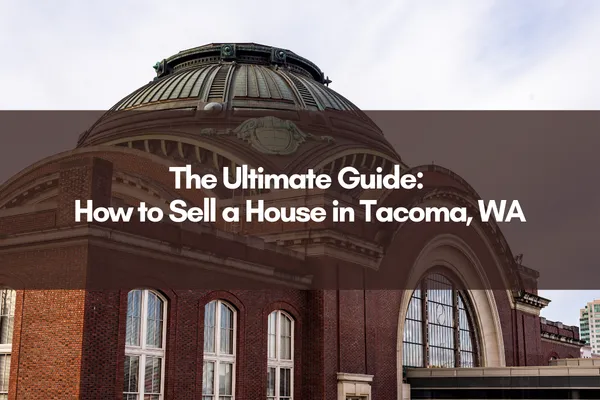
The Ultimate Guide: How to Sell a House in Tacoma, WA
How do you sell a house in Tacoma, WA and get the best possible outcome in today’s market?
Selling a home in Tacoma takes more than putting a sign in the yard. The best results come from understanding the local market, preparing the home strategically, pricing it correctly, and guiding buyers through a smooth closing process.
Why Selling a Home in Tacoma Is Unique
Tacoma has become one of the most dynamic housing markets in the Puget Sound region. With its waterfront views, historic neighborhoods, proximity to Seattle, and access to major employers throughout Pierce, King, Kitsap, and Thurston Counties, Tacoma continues to attract buyers relocating from across Washington and beyond.
If you plan to sell a house in Tacoma, WA, you are entering a market with several important characteristics. Many buyers are relocating from the greater Seattle area. Demand remains strong for homes that are well prepared and priced appropriately. Neighborhoods vary widely in architecture, pricing, and buyer expectations. Tacoma also offers a wide range of property types including historic homes, mid century homes, and newer construction.
Because of this diversity, the strategy for selling a home in Tacoma should be tailored to your specific property, neighborhood, and timeline.
This guide walks you through each step so you understand exactly how the process works.
Step 1: Understand the Tacoma Real Estate Market
Before listing your home, it helps to understand the current Tacoma real estate market and what factors influence buyer demand.
Several key elements impact how quickly homes sell and the price they achieve.
Inventory Levels
Inventory refers to the number of homes currently available for sale. When fewer homes are on the market, buyers have fewer options and competition for well priced homes can increase. When more homes are available, buyers tend to be more selective and pricing becomes even more important.
Interest Rates
Mortgage rates influence how much buyers can afford. Changes in interest rates can affect the number of active buyers in the market and their purchasing power.
Seasonal Patterns
Real estate activity in Tacoma and the greater Puget Sound region often follows seasonal trends.
Spring and early summer typically bring the most buyers to the market. Late summer can still be active depending on inventory levels. Fall and winter markets tend to be more selective, which can influence pricing strategies and marketing timelines.
Understanding these patterns can help determine when to list your home and how to position it in the market.
Step 2: Determine Your Home’s Value
One of the most common questions homeowners ask is simple. What is my Tacoma home worth?
Accurately pricing your home is one of the most important steps when selling a house in Tacoma. Pricing too high can cause your home to remain on the market longer than expected. Pricing too low may leave money on the table.
A strong pricing strategy typically includes several components.
Comparable Sales
Recent sales of similar homes in your neighborhood provide the most reliable benchmark for value. These comparable properties help establish a realistic price range based on actual buyer activity.
Active Listings
Homes currently listed for sale represent your direct competition. Buyers will often compare these homes side by side with your property.
Pending Sales
Homes that are currently under contract can reveal what buyers are actively willing to pay in the present market.
Combining these data points helps create a pricing strategy that attracts serious buyers while remaining competitive.
Step 3: Prepare Your Home for the Market
Preparation plays a major role in how buyers perceive your home. Small improvements can make a significant difference in both buyer interest and the final sale price.
Declutter and Depersonalize
Buyers want to picture themselves living in the home. Removing excess furniture, personal photos, and crowded shelving can make rooms feel larger and more welcoming.
Address Minor Repairs
Simple repairs can improve buyer confidence in the condition of the home. Common improvements include fixing small plumbing issues, replacing burnt out light bulbs, tightening loose hardware, and touching up interior paint.
These details help communicate that the property has been well maintained.
Improve Curb Appeal
The exterior of the home creates the first impression for buyers. Landscaping, entryway appearance, and overall exterior condition can influence how buyers feel before they even step inside.
Simple improvements such as trimming plants, adding fresh mulch, and cleaning walkways can elevate your home's presentation.
Step 4: Professional Photography and Marketing
Once your home is ready, the next step is presenting it effectively to buyers.
Most buyers begin their home search online, which makes strong visuals and clear marketing extremely important.
Professional Photography
High quality photos help showcase your home's natural light, layout, and standout features. Professional photography often leads to more online views and increased showing activity.
Listing Descriptions
Well written listing descriptions highlight the property's features, design elements, and lifestyle benefits. The goal is to help buyers imagine what it might feel like to live in the home.
Online Exposure
Selling a home in Tacoma today requires broad digital visibility. Listings typically reach buyers through major real estate websites, brokerage platforms, and online search tools used by buyers relocating to the area.
Greater exposure increases the chances of attracting qualified buyers.
Step 5: Listing Your Home
After preparation and marketing materials are complete, your home is officially listed for sale.
At this stage, pricing and presentation are critical.
Setting the List Price
Your list price should reflect recent comparable sales, current competition, and the condition of your property. A strategic price can attract strong early interest, which often leads to more favorable offers.
Home Showings
Buyers typically schedule showings to view homes in person. Keeping the property clean and allowing flexible showing times can increase the number of potential buyers who experience the home.
Homes that show well often generate stronger interest and more competitive offers.
Step 6: Reviewing Offers
Once buyers submit offers, you may receive one or multiple proposals depending on market conditions.
Each offer usually includes several important components such as purchase price, financing type, earnest money deposit, contingency timelines, and proposed closing date.
The highest offer is not always the best offer. Financing strength, timelines, and contingency structure can all influence the overall quality of an offer.
Carefully reviewing each component helps ensure the agreement supports your goals as a seller.
Step 7: Negotiation
Negotiation is a normal part of selling a home. Buyers and sellers often work through adjustments before reaching a final agreement.
Negotiations may involve price changes, closing cost requests, timeline adjustments, or repair discussions.
The goal is to create terms that work for both sides while keeping the transaction moving forward.
Step 8: The Inspection Period
Most buyers schedule a home inspection after their offer is accepted.
During the inspection, a licensed professional reviews the condition of the property including major systems such as roofing, plumbing, electrical components, and heating systems.
After the inspection, buyers may request repairs or financial credits. Sellers may choose to address certain items, offer a credit, renegotiate terms, or decline requests depending on the situation.
This stage is a standard part of many real estate transactions.
Step 9: Appraisal and Financing
If the buyer is using a mortgage, the lender typically orders an appraisal to confirm the property's value.
The appraisal compares the home with recent sales in the area to determine whether the value supports the loan amount.
If the appraisal aligns with the contract price, the transaction continues toward closing. If the value comes in lower than expected, the buyer and seller may revisit the terms of the agreement.
Step 10: Closing the Sale
Closing is the final step in selling a house in Tacoma, WA.
During closing, final documents are signed, the buyer's financing is completed, and ownership of the property is officially transferred.
Once the transaction records with the county, the sale is complete and proceeds from the sale are distributed to the seller after closing costs and any remaining loan balances are satisfied.
Common Mistakes to Avoid When Selling a Home in Tacoma
Even in active markets, certain mistakes can impact the success of a home sale.
Overpricing the home is one of the most common challenges. Properties priced above market value often remain on the market longer and may eventually require price adjustments.
Skipping preparation is another issue that can reduce buyer interest. Buyers respond strongly to homes that feel clean, well maintained, and move in ready.
Limiting showing availability can also reduce opportunities for buyers to experience the property in person.
Listening to buyer feedback during the listing period can provide helpful insights about presentation, pricing, or marketing adjustments.
Why Local Experience Matters
Every Tacoma neighborhood attracts different types of buyers. Areas such as North Tacoma, Proctor, the Stadium District, South Tacoma, and surrounding Pierce County communities each offer distinct housing styles and price ranges.
Understanding these differences helps guide pricing strategies, marketing focus, and buyer expectations.
Local knowledge can make a meaningful difference in positioning your home effectively in the market.
Working With a Local Tacoma Realtor
Selling a home involves many moving parts. From pricing strategy to marketing and negotiation, having experienced guidance can make the process more manageable.
Professional support typically includes market analysis, preparation advice, marketing strategy, offer evaluation, negotiation assistance, and transaction coordination through closing.
With the right strategy in place, the process can move smoothly from listing to closing.
Final Thoughts: Selling Your Tacoma Home With Confidence
Selling a house in Tacoma, WA is both a financial and personal decision. With thoughtful preparation, a strong pricing strategy, and a clear understanding of the local market, you can approach the process with confidence.
The Tacoma real estate market continues to attract buyers throughout the Puget Sound region. Positioning your home effectively allows you to take advantage of that demand while protecting your goals and timeline.
Have Questions About Selling Your Tacoma Home?
If you are thinking about selling a home in Tacoma and want guidance tailored to your situation, feel free to reach out.
My name is Shu, I'm a local Realtor, working with homeowners throughout Tacoma and the surrounding Pierce, King, Kitsap, and Thurston Counties. Whether you are preparing to sell soon or simply exploring your options, I am always happy to answer questions.
If you would like to talk through your home's value, the Tacoma real estate market, or your potential timeline, feel free to reach out. I'm always happy to discuss your home goals over a cup of coffee.





Disclaimer: All information contained on this website is deemed reliable but not guaranteed. All properties are subject to prior sale, change or withdrawal notice soundlivinghomes.com believes all information to be correct but assumes no legal responsibility for accuracy.